
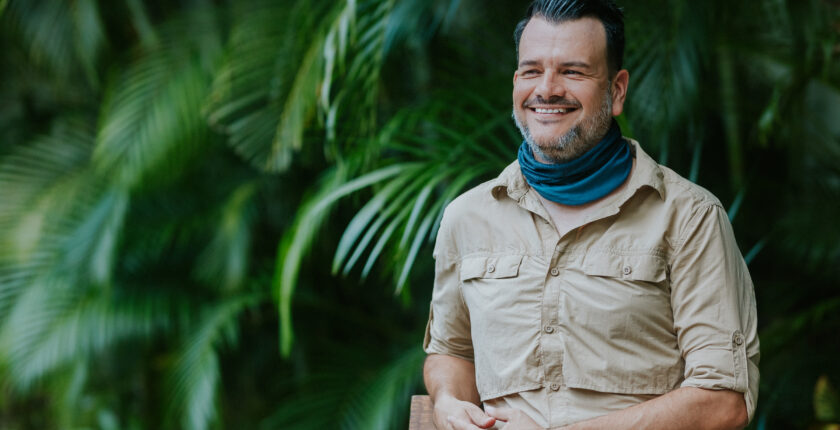
A brief Coffee Table Chat | MODELING BEYOND THE NUMBERS One-on-One with Javier Rojas From childhood road trips through the Mexican countryside to bold academic choices that challenged convention, Javier Rojas-Rodriguez has always approached travel as a path to deeper understanding. In this conversation, he reflects on the experiences that reshaped his view of design and hospitality, and how letting go of structure led to a more immersive, transformative way of moving through the world. What was your biggest early influence that sparked your desire to travel? My desire to travel was first sparked during childhood, on long road trips with my family across the Mexican countryside. Those journeys left a lasting impression on me. I remember sitting by the car window for hours, quietly observing the world as it passed by—the shifting landscapes, the textures of the terrain, the way the colors and light would subtly change from one region to the next. Even then, I was drawn to the idea that every place held its own story, rhythm, and character. Those early experiences didn’t just inspire a love of travel—they awakened a deep curiosity about how people live, how environments shape culture, and how beauty reveals itself in unexpected ways. That curiosity has stayed with me ever since. 2. What was the most important turning point in your professional travel career? Ironically, the most important turning point in my professional journey was choosing to leave a secure and rewarding job in order to pursue a postgraduate degree. I had been fortunate to receive an offer from an Ivy League university in the US—a path that would have seemed like the obvious next step. But instead, I chose something far less conventional: I turned it down and enrolled at The Berlage Institute in the Netherlands. The Berlage wasn’t a typical academic environment. It was more of a laboratory for ideas—a space that encouraged critical thinking, cross-disciplinary collaboration, and questioning the status quo. I was suddenly surrounded by architects, urbanists, and designers from all over the world who were intensely curious, skeptical of easy answers, and passionate about reshaping how we think about cities, landscapes, and the built environment. That time fundamentally reshaped the way I understood design—not just as a profession, but as a cultural and political act. I began to see travel, place-making, and hospitality not just as industries, but as powerful tools for storytelling, connection, and transformation. It shifted my focus from aesthetics and logistics to narrative and experience—how places feel, how they unfold, how they resonate long after the visit ends. That decision—to step away from the expected and embrace the experimental—set the tone for everything that followed in my career. It gave me the confidence to seek out the extraordinary, to stay curious, and to always look beyond the obvious. It taught me that the most meaningful journeys often begin when you leave the map behind. 3. How has your approach to travel evolved over the years? My approach to travel has transformed profoundly over time. In the beginning, it was all about structure and certainty. I was driven by to-do lists, guidebooks, and a clear sense of what I was supposed to see, eat, and experience in each destination. Travel was about maximizing time, checking off the “must-sees,” and feeling a sense of accomplishment for having covered the terrain. But over the years, I began to realize that the most meaningful moments rarely happened according to plan. I slowly let go of the rigidity and embraced a more open, intuitive way of traveling. Now, I deliberately avoid over-scheduling. I leave space for spontaneity. I wander. What I cherish most now is the feeling of being a stranger in a strange land—not knowing the rules, not speaking the language fluently, not having a map for what comes next. That discomfort is no longer something I try to avoid; it’s something I seek. It sharpens my senses. It humbles me. It reminds me how much there is to learn and unlearn. I’ve found that the most transformative travel experiences happen in the in-between moments—in the detours, delays, and unplanned encounters. Whether it’s getting lost in a new city, navigating a challenge with humor and patience, or simply sitting still and absorbing the rhythm of a place, I’ve come to value depth over breadth, presence over productivity. Travel, for me, has evolved from being a curated collection of highlights into a process of immersion, reflection, and growth. It’s no longer about conquering a place—it’s about being changed by it.

Coffee Table Chat with Julieta Chan | Building from the Ground Up
A brief Coffee Table Chat | BUILDING FROM THE GROUND UP One-on-One with Julieta Chan Building Experiential Hospitality from scratch has been a dance between creativity and resilience for Julieta Chan. Over the past year, challenges have been invitations to innovate, shaping a brand rooted in authenticity and purpose. Reflecting on this journey, Julieta highlights the importance of staying true to the brand’s essence, aligning every detail with its values, and fostering connections that prioritize people, planet, and community. It’s been about much more than building a company—it’s been about building a philosophy. 1. LOOKING BACK AT YOUR FIRST YEAR WITH EXPERIENTIAL HOSPITALITY, WHAT HAS BEEN THE MOST UNEXPECTED LESSON OR CHALLENGE THAT SHAPED YOUR PERSPECTIVE ON THE COMPANY’S VISION AND OPERATIONS? Challenges have been a constant—almost expected—when building a company from scratch. But there’s something beautiful about that. Each challenge becomes an invitation to create, to think differently, to spark new ideas. It’s been a deeply creative year. The biggest lesson? Attitude is everything. Learning to breathe, stay grounded, and keep a clear head in moments of uncertainty is harder than it sounds. But trusting the team and the process has made all the difference. 2. EXPERIENTIAL HOSPITALITY IS IN A UNIQUE POSITION AS A STARTUP REDEFINING OUTDOOR HOSPITALITY. OVER THE PAST YEAR, HOW HAS YOUR EXPERIENCE SHAPED YOUR UNDERSTANDING OF WHAT IT TAKES TO BUILD A BRAND THAT STANDS OUT IN THIS INDUSTRY? I’ve realized that memorable brands aren’t meant to please everyone—they’re meant to stand firmly in their truth. Creating a brand is like shaping a living being with its own personality, values, and worldview. Every decision, every detail has to align with its essence. It’s surprisingly easy to drift from that core, and doing so risks diluting the purpose. This year taught me that building a brand—and fiercely protecting its soul—is an ongoing act of intention. I’d never done that before, and it’s been one of the most profound lessons. 3. IF YOU COULD SHARE ONE DEFINING MOMENT FROM THIS PART YEAR THAT REAFFIRMED YOUR DECISION TO BE PART OF THIS COMPANY, WHAT WOULD IT BE AND WHY? It all comes back to values. The moment I sat with the creators and investors and we aligned on the deeper why of this work—recognizing people, planet, and community as equally valuable as profit, and as essential to the traveler experience—that’s when I knew I was in the right place. I’m investing my energy in something that reflects what I believe the world truly needs: impact over extraction, connection over consumption. That clarity of purpose is what anchors me here.

Coffee Table Chat with Jesús Parrilla | Regeneration, Conservation & The Power of Travel
A brief Coffee Table Chat |regeneration, conservation & the power of travel One-on-One with Jesús Parrilla What happens when a traveler becomes a guardian? In this intimate conversation, Jesús Parrilla invites us to rethink the role of travel in a rapidly changing world. From restoring wetlands to revitalizing traditions, he speaks to a future where tourism heals rather than harms—and where every journey has the power to regenerate. Pull up a seat at the Coffee Table and explore how crises can become catalysts, landscapes can come back to life, and travelers can become agents of change. WHEN YOU THINK ABOUT THE FUTURE OF TRAVEL, WHAT EXCITES YOU THE MOST? What excites me is the shift that’s happening—slowly but surely. People are beginning to understand that travel isn’t just about sightseeing; it’s about meaning. The best journeys aren’t about checking boxes—they’re about transformation, about deep connection with nature, culture, and oneself. The future belongs to experiences that heal the land, restore ecosystems, honor traditions, and leave travelers forever changed and inspired. I want to see more projects that act as catalysts for regeneration, where tourism isn’t an extractive force but a restorative one. That’s the direction we need to go. 2. IS THERE ANY INSPIRATION OUT THERE IN THE WORLD THAT GIVES YOU HOPE FOR THIS KIND OF TRAVEL? Absolutely. There are many inspiring examples of conservation and regenerative travel, and we don’t have to look as far as Africa to find them. Just take the United States—look at Ted Turner, for example. What he has done to regenerate land across different parts of the country is remarkable. His work in Northern and Southern New Mexico stands out as a masterclass in large-scale conservation. He didn’t just acquire land—he healed it. He restored native grasses, reintroduced wildlife, and proved that regeneration isn’t just possible—it’s essential. That’s the kind of bold vision we need more of. 3. YOU OFTEN TALK ABOUT USING TROUBLE-TURNING CRISIS INTO OPPORTUNITIES. CAN YOU GIVE AN EXAMPLE OF HOW THAT APPLIES TO CONSERVATION? Trouble is just another word for transformation waiting to happen. Look at degraded landscapes—places stripped of biodiversity and identity. That’s trouble. But within trouble lies the seed of something new—if we choose to act. A great example is the wetlands restoration projects in areas where tourism and industrial development have nearly destroyed fragile ecosystems. Instead of abandoning these places, we can invest in their revival—restoring mangroves and wildlife corridors, bringing back keystone species, and working with local communities to turn them into living laboratories of resilience. The same applies to cultural conservation. Where languages and traditions are vanishing, we have a chance to revitalize them through meaningful, immersive experiences. Travel can—and must—be a tool for healing. 4. IF THERE WAS ONE MESSAGE YOU COULD LEAVE TO THE NEXT GENERATION OF TRAVELERS, WHAT WOULD IT BE? Travel with intention. Travel with curiosity. But most of all, travel with responsibility and awareness. Every step you take leaves a mark—make sure it’s one of restoration, not depletion. Seek out places that are doing the hard work of regeneration, support the people protecting their heritage, and never forget that you are part of something bigger. The world doesn’t need more tourists. It needs more guardians.
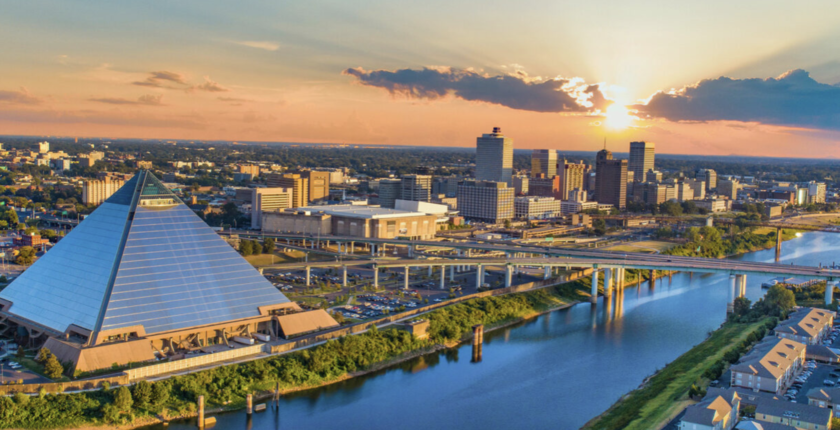
Coffee Chat with Jesús Parrilla | Why Experiential Hospitality Chose Memphis, TN as Its Headquarters
A brief Coffee Table Chat With Our Co-Founder & CEO One-on-One with Jesús Parrilla Why Experiential Hospitality Chose Memphis, TN as Its Headquarters When you think about hospitality powerhouses, cities like New York, Miami, or Los Angeles might come to mind. But Memphis? It might not be the first name on the list—until you take a closer look. In this candid conversation, Jesús Parrilla, a global hospitality leader with deep roots in Spain, Costa Rica, Chile, and beyond, reveals why Experiential Hospitality chose Memphis, Tennessee, as its headquarters. More than just a business decision, it was a move shaped by opportunity, connectivity, and culture—a city where resilience and authenticity aren’t just buzzwords, but a way of life. From Memphis’ entrepreneurial ecosystem and logistics powerhouse status to its unexpected outdoor adventure access, Jesús shares why this city is not just a place to work—it’s a place to build, to create, and to thrive. Let’s dive in. 1. Jesús, you’ve lived in so many places over the years—Spain, California, Texas, Tennessee, Florida, Chile, Costa Rica—and have spent considerable time in Argentina and Mexico. With such a global perspective, why Memphis? When we set out to build Experiential Hospitality, we weren’t just looking for a place to plant a corporate flag—we were looking for a home, a city that resonated with our ethos, our passion, and our mission. Memphis stood out immediately. First, it’s a city of opportunity. Memphis has an extraordinary business ecosystem that fuels entrepreneurs with ambition. Here, you don’t just survive; you thrive. The cost of living is remarkably lower than in cities like New York, Los Angeles, or Miami, allowing us to reinvest in our people, in our innovation, in our future. And let’s talk about the tax environment, no state income tax on wages, and one of the lowest state and local tax burdens in the country. That means people keep more of what they earn, and that’s powerful. It’s no surprise Realtor.com ranked Memphis 3rd on the list of where millennials are most likely to buy homes. This is a city where you can build a life, not just a career. But beyond the economics, Memphis is a city of resilience, of soul, of raw, undeniable energy. It has grit. It has character. It has heart. And when you’re building a company centered on authentic experiences, connection, and culture, you want to be in a place that embodies those things every single day. 2. You could have chosen any U.S. city to be close to investors. Why Memphis? Strategic connectivity is everything. We are in the business of crafting travel experiences that redefine hospitality—we need to be in a place that gives us immediate access to the world. From Memphis, I can be in New York in 2.5 hours, Chicago in 1.5, Miami in 2, Dallas in 1.5, Atlanta in 1. It’s seamless. It allows us to engage with investors, travel partners, and media without sacrificing the advantages of operating in a city with lower costs and a high quality of life. And let’s not forget Memphis’ powerhouse logistics infrastructure—this is the global headquarters of FedEx! The ability to move goods, people, and ideas quickly is an absolute game-changer for any industry, and we’re right in the epicenter of that. 3. What personal connections do you have to Memphis? My relationship with Memphis goes back decades. I earned my graduate degree here. I lived here. I worked here. And it shaped me. Early in my career, I was at Dobbs International Services, which later became Gategroup. That company had an extraordinary culture of service. It was more than just a business—it was a philosophy, a commitment to something greater than transactions. It transformed my understanding of service into something sacred. And beyond business, the people of Memphis left a mark on me. This city is filled with some of the most genuine, welcoming, and fiercely loyal people I have ever encountered. There’s a warmth here that you don’t find in many places. It’s real. It’s deep. It’s the essence of hospitality itself. 4. Some people might not immediately associate Memphis with hospitality. Why do you think it’s a great fit for Experiential Hospitality? Let’s not forget—Memphis is where Holiday Inn was founded, one of the most revolutionary hospitality brands of all time. Hospitality is in this city’s DNA. The University of Memphis has a strong hospitality program, training the next generation of leaders in this industry. And I believe that through my ties to the university, we can be part of shaping a new wave of outdoor hospitality pioneers. But beyond traditional hospitality, Memphis is a city that knows how to create experiences—through its music, its food, its storytelling. It’s not a place that just “hosts” people; it moves them. It changes them. And that’s exactly what we aim to do with Experiential Hospitality. 5. How does Memphis’ location support the company’s vision? Memphis gives us access. Not just to cities and investors, but to nature, to history, to cultural depth. People don’t always realize this, but Memphis is a gateway to some of the most incredible outdoor destinations in the country. And for a company like ours, which is built on adventure, nature, and cultural immersion, that’s invaluable. Within a short drive, you can reach: The Ozarks (Arkansas & Missouri): A breathtaking haven for hiking, canoeing, and true outdoor adventure. The Great Smoky Mountains National Park: The most-visited national park in the U.S., a stunning, wild landscape. The Natchez Trace Parkway: A historic and scenic drive through Tennessee, Mississippi, and Alabama. The Appalachian Trail (Tennessee section): One of the most legendary long-distance trails in the world. Big River Trail & Mississippi River Parks: Right here in Memphis, offering outdoor recreation along the majestic riverfront. We are in the perfect place to inspire and be inspired. 6. Would you say Memphis gives Experiential Hospitality a strategic advantage? Without question. Memphis is not just where we’re headquartered—it’s where we’re rooted. The business advantages are undeniable: lower costs,

Coffee Table Chat with Jesús Parrilla | Beyond Trends, A Movement For Meaningful Travel
A brief Coffee Table Chat: beyond trends One-on-One with Jesús Parrilla In a world where hospitality often follows fleeting trends, Jesús Parrilla invites us to pause and rethink. Through this insightful conversation, he challenges the industry to move beyond rebranding old ideas and embrace bold, transformative initiatives that prioritize sustainability, cultural preservation, and community empowerment. Join us as he explores how courage, responsibility, and regeneration can redefine the future of travel, creating a genuine force for good. 1. Every January, the industry predicts trends for the year ahead, often rebranding familiar ideas. How do you believe the hospitality world can move beyond recycled concepts to embrace truly innovative ideas that drive meaningful social and environmental change? The industry must stop chasing the ephemeral allure of what’s marketable and instead embrace the timeless call of what is necessary. Innovation doesn’t arise from recycling the comfortable but from confronting the uncomfortable truths about our impact on the world. To move forward, we must look inward and question the habits we’ve normalized, the stories we’ve commodified, and the spaces we’ve altered. Actual progress lies in creating ideas that don’t merely align with trends but challenge them, that don’t bend to demand but build toward a more profound and more conscientious harmony with the earth and its people. Real change whispers; it doesn’t shout. 2. What would it take for the industry to shift its focus from forecasting consumer desires to setting an agenda for progress—one that prioritizes sustainability, cultural preservation, and community empowerment over superficial trends? It would take courage—tons of courage to lead, not follow; to educate, not just entertain; to illuminate paths that may be less traveled but infinitely more meaningful. The agenda we need cannot be written in the language of convenience or only profit but in the dialect of responsibility and reverence. It’s about turning our gaze from the fleeting to the enduring, from the surface to the roots. When we prioritize the stories of the land and the hands that nurture it, when we empower voices that have been overlooked, we not only set a new agenda but inspire a movement that redefines the essence of travel. 3. If we used this time of year not to project trends but to spark a movement, what bold initiatives or disruptive ideas would you introduce to challenge the status quo and make the industry a genuine force for good? I would propose a year where we silence the noise of consumerism and amplify the song of regeneration—a collective effort to restore what has been taken, to heal what has been hurt. Imagine an industry-wide pledge: for every room built, a forest planted; for every meal served, a culture celebrated; for every footprint left, a legacy of care engraved. The challenge is not to be louder but to be clearer, more intentional, and more daring. A true movement is not an announcement; it’s a quiet, unstoppable wave that reshapes the shoreline, leaving it stronger than it was before.

Leadership Insights Inspiration, Advice, and Team Values
A brief Coffee Table Chat: Leadership insights inspiration One-on-One with Julieta Chan In this interview, we explore the sources of inspiration, valuable advice, and essential team qualities from the perspective of a seasoned business professional. Drawing from personal experiences and mentorship, our interviewee shares insights on leadership, problem-solving, and building strong teams in various professional settings. 1. DO YOU HAVE ANY BUSINESS LEADERS THAT PROVIDE A SOURCE OF INSIPIRATION? I find inspiration in business leaders and leaders from all walks of life—whether on a basketball court, in a boardroom, in a classroom, or at home. Leadership is a vital skill for both professional and personal success. In the business sector, I’ve been fortunate to work with exceptional mentors who’ve shaped my path. Katherine Carter, the young GM at Hotel Presidente in San José, Costa Rica, was the first. Alongside CEO Daniel Mikowski, they transformed the hotel into a sustainable property, always believing in me and supporting my ideas. Their approach taught me the power of clear vision, strong processes, and great teamwork—reminding me that meaningful change is possible when driven by purpose. At Cayuga Collection, Hans Pfister and María José Castro showed me the value of conscious leadership, emphasizing genuine care for the people we work with. This was a game-changer. Meanwhile, Felipe Artiñano and Ofer Ketter at Origen Escapes encouraged me to break mental barriers and tap into my creative side. Today, I am learning from three remarkable mentors: Jesús Parrilla and Juan Breiding. Their vast experience has inspired me not only with their knowledge but also with their humility, kindness, and honesty—values I hope to uphold as part of my own legacy. 2. WHAT ELSE DO YOU ENJOY DOING? WHAT’S THE MOST IMPORTANT ADVICE YOU HAVE BEEN GIVEN IN A JOB? I’ve received many valuable lessons from my mentors, but one that stands out is from Daniel Mikowski: “Be resourceful.” It’s a reminder to navigate challenges creatively and persistently, seeking solutions even when resources seem limited. This advice has fueled my problem-solving approach and strengthened my ability to build cohesive teams. Another valuable lesson came from Felipe Artiñano, who posed the question, “Who is the client, you or someone else?” This question challenged me to design experiences and itineraries for the ultra-luxury market with empathy, considering the client’s needs without imposing my own biases. Finally, I’ve come to understand the importance of knowing my place in my professional journey. Sometimes, I need to follow the lead, while other times, I need to lead the team. Trusting my leader and being prepared to offer constructive feedback has been crucial. Learning this has allowed me to be more resilient, empathetic, and less reactive in different positions within the company. 3. WHAT PERSONAL QUALITY DO YOU VALUE MOST IN YOUR TEAM? Integrity is the quality I value most. I admire people who show up as their true selves, communicate honestly, and build genuine connections. Integrity fosters trust, which is the foundation of a strong team. People with integrity own their mistakes, take responsibility for their actions, and lead transparently. They provide constructive feedback that helps others grow and maintain a respectful, open environment. This kind of authenticity and accountability is something I truly appreciate in a team.

Navigating Leadership with Integrity | A Journey of Resilience, Autonomy, and Purpose.
A brief Coffee Table with Jesús parrilla Navigating Leadership with Integrity: A Journey of Resilience, Autonomy, and Purpose. In this edition of Coffee Table, we sit down with Jesús Parrilla, a leader whose career is shaped by resilience, integrity, and purpose. With a commitment to ethical leadership, Jesús shares insights that highlight the importance of fostering a culture of trust, empowering teams, and staying clear of office politics. His approach champions resilience, autonomy, and the relentless pursuit of excellence, offering a refreshing perspective on what it means to lead with heart. 1. Do you have any business leaders that provide a source of inspiration? “Inspiration” is a word that resonates differently for each individual. For me, it’s not found in the loud, glitzy stories of overnight successes or those who have built sprawling empires without a struggle. True inspiration stems from the quiet, powerful stories of those who started from nothing, who fought with tenacity and grit to carve out a place for themselves in a world that often tries to keep them out. I’m drawn to the individual who began as a clerk in a purchasing department and, through sheer determination, ended up leading the company. These are the self-made leaders who embody resilience and purpose—those who weren’t born into privilege but clawed their way up, fueled by relentless drive and an unyielding commitment to excellence. These are the people who lead not with ego but with integrity, nurturing talent without bias and staying true to their values. Their stories are constant reminders that greatness isn’t a stroke of luck or a gift bestowed upon the few; it’s earned. It’s earned through sweat, failure, persistence, and the belief that perseverance is transformative. These are the leaders who inspire me to stay grounded, to push harder, and to never lose sight of what really matters—leading with purpose and a sense of duty to those who come after you. 2. What’s the most important advice you have been given in a job? Early in my career, I had a mentor—Donna Coles—who gave me advice that has become one of the most valuable lessons in my professional life: “Stay away from gossip and office politics.” At the time, I didn’t fully grasp the depth of her words. But as I have moved through various roles and companies, I have come to realize just how destructive these forces can be. Gossip is a silent cultural poison. It eats away at trust, undermines collaboration, and creates divisions where none should exist. It’s a seed that, if left unchecked, can grow into a toxic work environment, dragging down even the most well-intentioned teams. In every leadership role I have taken on, I have been adamant about creating a Gossip-Free Workplace Policy. But this isn’t just about banning idle talk—it’s about fostering an environment of transparency and mutual respect. It’s about cultivating a culture where communication is open, where people feel heard, and where decisions are made in the light, not behind closed doors. When gossip and office politics are eliminated, what remains is a foundation of trust, a space where ideas flourish, and where collaboration isn’t just encouraged—it’s inevitable. Leadership, for me, is about setting that standard, about ensuring that our teams focus their energy on building something great, not tearing each other down. 3. What personal quality do you value most in your team? If I had to choose one quality above all else, it would be resilience. Life, business, projects—they are all riddled with setbacks, obstacles, and moments that test your resolve. Resilience is what allows a team to not only withstand the pressure but to rise stronger in the face of it. It’s about seeing challenges as opportunities, about finding creative solutions when everything feels like it’s falling apart. Resilience is the heartbeat of every great team—it’s the quiet strength that powers you through the hardest days, and it’s the fire that keeps you pushing toward the goal, no matter how distant it might seem. Alongside resilience, autonomy is crucial. I firmly believe in empowering people to own their roles, to take initiative, and to feel the freedom to make decisions without constant oversight. Autonomy isn’t about leaving people to figure it out on their own; it’s about building a culture of trust where everyone knows they have the tools, support, and confidence to lead within their space. When people are trusted to steer their own ship, they tend to rise to the occasion. Autonomy fosters accountability, creativity, and a sense of ownership that makes a company thrive. In both resilience and autonomy, there’s a shared theme: empowerment. Teams that are empowered to think for themselves, to weather storms, and to act with conviction are the ones that ultimately change the game. They’re the ones who don’t just survive—they thrive. And that’s the kind of team I want to lead.
A One-on-One with Julieta Chan | Stirring Passions
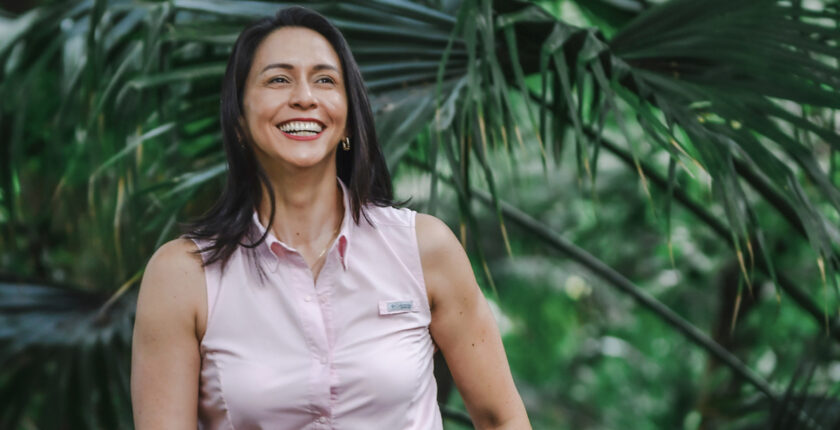
A brief Coffee Table Chat: STIRRING PASSIONS: EXPLORING LIFE BEYOND WORK One-on-One with Julieta Chan In this discussion, we explore how a lifelong passion for sports has shapeda commitment to personal and professional growth. From running as achild to playing basketball on a scholarship, the love for physical activitycontinues today with a disciplined gym routine. Paired with a deepinterest in empathic communication, this journey shows how physicalwellness and thoughtful connection can foster authentic leadership andteamwork in all areas of life. 1. WHAT PERSONAL INTERESTS DO YOU HAVE? I have always had a lot of interests in life, and they have changed depending on where I am, what I am doing, and what opportunities come my way. However, one thing that has been a constant in my life is my love for sports and exercise. Growing up in the 80s and 90s as a hyperactive kid, my mom’s strategy for managing my energy was to send me running whenever I started to “misbehave” in class or elsewhere. So, running became my first love. Later in school and high school, I developed a passion for volleyball, and for 20 years, my main sport was basketball. This passion allowed me to receive a scholarship in business, make lifelong friends, and develop discipline and teamwork ethic. While I no longer play basketball, I go to the gym five times a week to lift weights, and it has been my primary interest for almost four years. 2. WHAT ELSE DO YOU ENJOY DOING? I enjoy continuous learning, and at the moment, I am focused on empathic communication. I am taking a course to thoroughly understand the methodology of nonviolent communication. My goal is to become proficient in facilitating and managing groups using this approach, both professionally and personally. 3. HOW DO YOUR PERSONAL INTERESTS INFLUENCE YOUR PROFESSIONAL LIFE? I believe that sports and communication are key to creating authentic relationships, fostering mutual growth, and developing genuine leadership. Engaging in sports allows me to be more in tune with my body, understand how it feels and reacts to external stimuli, and be more compassionate towards myself and others. It also helps me learn from my mistakes and work towards common goals.
A One-on-One with Jesús Parrilla | Stirring Passions
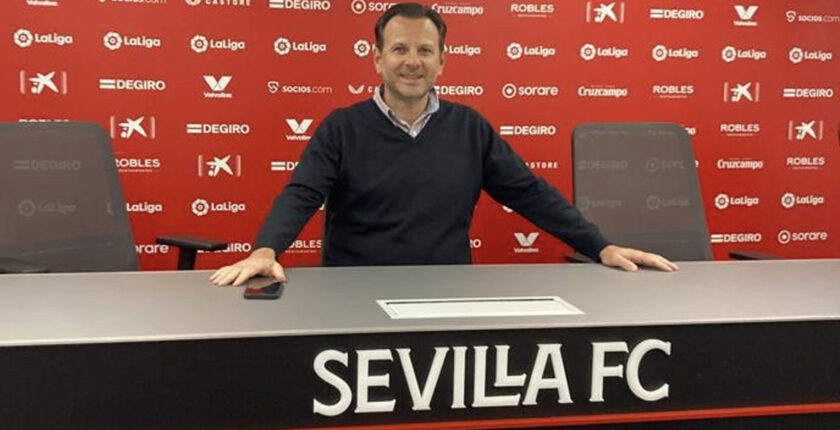
A brief Coffee Table Chat: STIRRINGPASSIONS: EXPLORING LIFE BEYOND WORK One-on-One with Jesús Parrilla Join us for a conversation with Jesús Parrilla as he shares how his personal passions—football, nature, wine, and cooking—shape his professional approach to leadership and hospitality. From his lifelong loyalty to Sevilla FC to his love for storytelling through wine and food, Jesús reveals how life beyond work fuels his creativity and commitment to sustainable travel experiences. 1. WHAT PERSONAL INTERESTS 1. DO YOU HAVE? I have several personal interests, but football—what I affectionately call “the suffering game” because for 30+ years I have followed from another continent— is one of my earliest passions. My childhood is filled with memories of the crowd’s roar, a sea of red and white flags, and the comforting presence of my father and older brother as we watched Sevilla FC battle it out on the pitch, week in and week out. Just as my father did with his father and siblings, supporting Sevilla, the resilient underdog, is more than just a pastime for our family—it’s a way of life. Owning a few shares in the club has only deepened that connection. For me, being a one-club person isn’t just about loyalty; it’s about a lifelong commitment that has profoundly bound our family together. Beyond football, I find solace, inspiration, and gratitude in long-distance walks through nature. There’s a regenerative power in those quiet moments when the rhythm of my steps and the sound of my heartbeat bring peace, spark creativity, and offer clarity like nothing else. Walking through the wild, I feel a deep connection to the world, to my thoughts, and to the boundless potential of what could be. 2. WHAT ELSE DO YOU ENJOY DOING? Food and wine aren’t just pleasures for me; they’re passions that resonate deeply with the soul. I have a particular affinity for complex, structured wines and a special appreciation for the robust, earthy notes of Chilean wines, especially those from the Apalta region. There’s something profoundly satisfying about the alchemy of flavors in a well-crafted wine—how it tells the story of the land, its people, the sun, the rain, and the hands that nurtured it. Cooking is another joy of mine, a creative and therapeutic outlet where I blend influences from the places I’ve called home—Southern Spain, Texas, Tennessee, and Chile. My culinary style, if I were to describe it as such, is deeply rooted in soulful food—the kind that’s slow-cooked, comforting, and rich in flavor, yet not overwhelming. It’s deeply satisfying and replenishing. Each dish I prepare is a tribute to these diverse regions and to the people I’ve met along the way—a celebration of the cultures and traditions that have shaped both my palate and my life. 3. HOW DO YOUR PERSONAL INTERESTS INFLUENCE YOUR PROFESSIONAL LIFE? My personal interests have deeply shaped my professional life in meaningful ways. From football, I’ve learned the value of resilience and loyalty. Supporting Sevilla FC as an underdog has taught me that true commitment comes from standing by something through both triumphs and setbacks, unlike those who follow only when success is guaranteed. This rebellious spirit of the underdog and steadfast dedication inform my approach to leadership and innovation. My love for nature has inspired my work in outdoor hospitality. The deep appreciation I have for the natural world drives my commitment to preserving and celebrating it through immersive, sustainable travel experiences. This passion for nature influences how I design and manage outdoor projects, ensuring that they respect and enhance the environment. Wine has offered me insights into the importance of storytelling and culture in hospitality. Learning about different wine regions and their histories has shown me how a well-curated wine selection can foster meaningful connections and great conversations, enriching the guest experience. In cooking, I have gained a profound respect for local cultures and traditions. My culinary experiences have deepened my gratitude for the diverse people and places that have shaped my life. This respect for cultural heritage and the joy of sharing meals with others inform my approach to hospitality, emphasizing the importance of honoring and celebrating local traditions. Together, these experiences drive my social commitment and understanding of the importance of sharing and fostering harmonious coexistence. They remind me that personal growth and professional success are intertwined with a deep appreciation for the world and the people around us.
A One-on-One with Jesús Parrilla | Sustainability
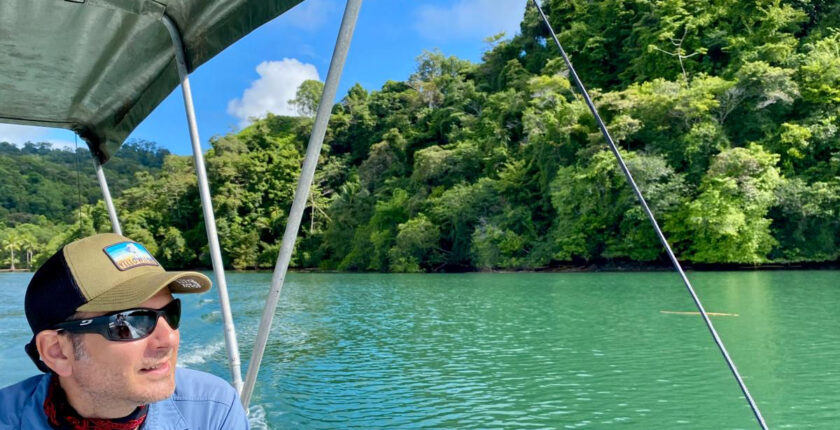
A brief Coffee Table Chat on His Journey in Sustainability One-on-One with Jesús Parrilla In this special edition, we bring you an insightful and engaging interview with our CEO, Jesús Parrilla. Through a series of thought-provoking questions, Jesús shares his personal and professional views on sustainability. Discover what sustainability means to him, how he integrates sustainable practices into his daily routine, and his perspective on the most significant challenges facing the travel and hospitality industry in its quest for sustainability. Join us as we delve into these critical topics and gain valuable insights from a leader committed to making a positive impact. 1. What does sustainability mean to you? To me, the concept of sustainability has evolved over the years. It started with tangible initiatives like recycling and has grown to encompass more intangible ones related to social justice. I now understand that sustainability requires a holistic, 360- degree approach. It involves regeneration, conservation, rewilding, and addressing climate change, as well as social action, equality, and good citizenship. Over the years, I have had the honor of managing and operating hotel and tourism companies in some of the world’s most naturally beautiful and culturally vibrant destinations. This hands-on experience has provided me with a broad, sensitive, and sensible perspective on sustainability, community involvement, and the impact of tourism development in pristine destinations. Sustainability also aligns deeply with my personal values of respect for nature and humanity. I believe in the power of innovation to drive sustainable solutions and the importance of continuous learning and adaptation to address emerging environmental and social challenges. Furthermore, I recognize that sustainability is not just a goal but a arduous journey that requires ongoing commitment and collaboration across all sectors of society. This awareness of the fragility of our planet and its inhabitants motivates me to advocate for and implement sustainable practices in both my personal and professional life. 2. How do you incorporate sustainable practices into your daily routine at work and in your personal life? I am consistent in incorporating sustainable practices both in my personal and professional life. Practicing sustainable initiatives at home complements my efforts at work. In my personal life, I engage in activities such as recycling, responsible food consumption, minimizing energy and water use, waste management and composting, and reforestation. Additionally, I follow a regenerative framework by supporting biodiversity in my garden and restoring natural habitats in my community whenever possible. I am also involved in social causes like supporting food banks and strive to live in harmony and respect with my neighbors and the broader community. At work, I believe every business must consider its environmental footprint and integrate sustainable practices into daily administrative and operational processes. This includes adopting energy-efficient technologies, reducing waste, sourcing materials responsibly, and promoting a regenerative approach to business that aims to leave the environment in a better state than we found it. By fostering a culture of sustainability among employees and stakeholders, we can make a significant impact and inspire others to follow suit. 3. In your view, what is the most significant challenge that travel and hospitality businesses encounter when striving to become more sustainable, and how do you suggest they overcome it? I believe the biggest challenge lies in the lack of commitment from investors, owners, and top management, along with a misunderstanding of the importance of adopting responsible business practices that ensure the long-term viability of their operations and the ecosystems they operate in. Additionally, there is often a misunderstanding of the short-term financial costs associated with becoming sustainable. Many fail to see that these initial investments can lead to substantial long-term savings and benefits, including enhanced brand reputation and customer loyalty. For those not naturally inclined towards sustainability or unaware of its importance, market intervention is key—whether driven by customer demands, financial markets, or government legislation. Ideally, businesses should voluntarily adopt sustainable practices rather than be compelled by legislation. By educating stakeholders about the long-term financial benefits and positive environmental impacts, we can encourage a proactive approach and commitment to sustainability. Download PDF version