
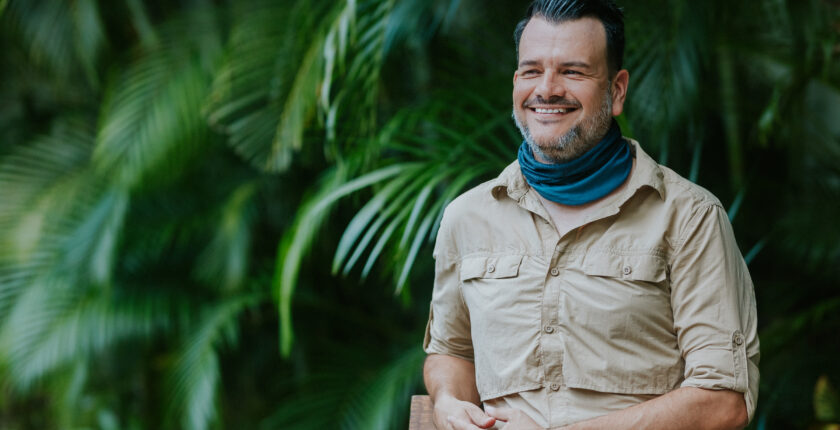
A brief Coffee Table Chat | MODELING BEYOND THE NUMBERS
One-on-One with Javier Rojas
From childhood road trips through the Mexican countryside to bold academic choices that challenged convention, Javier Rojas-Rodriguez has always approached travel as a path to deeper understanding. In this conversation, he reflects on the experiences that reshaped his view of design and hospitality, and how letting go of structure led to a more immersive, transformative way of moving through the world.
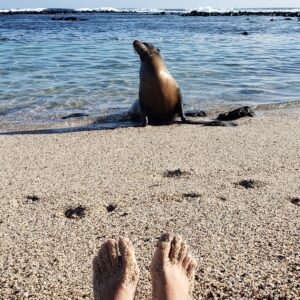
- What was your biggest early influence that sparked your desire to travel?
My desire to travel was first sparked during childhood, on long road trips with my family across the Mexican countryside. Those journeys left a lasting impression on me.
I remember sitting by the car window for hours, quietly observing the world as it passed by—the shifting landscapes, the textures of the terrain, the way the colors and light would subtly change from one region to the next. Even then, I was drawn to the idea that every place held its own story, rhythm, and character.
Those early experiences didn’t just inspire a love of travel—they awakened a deep curiosity about how people live, how environments shape culture, and how beauty reveals itself in unexpected ways. That curiosity has stayed with me ever since.
2. What was the most important turning point in your professional travel career?
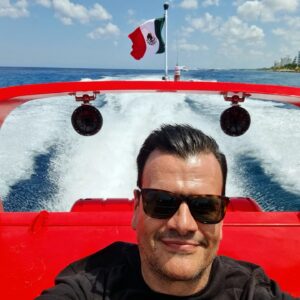
Ironically, the most important turning point in my professional journey was choosing to leave a secure and rewarding job in order to pursue a postgraduate degree. I had been fortunate to receive an offer from an Ivy League university in the US—a path that would have seemed like the obvious next step. But instead, I chose something far less conventional: I turned it down and enrolled at The Berlage Institute in the Netherlands.
The Berlage wasn’t a typical academic environment. It was more of a laboratory for ideas—a space that encouraged critical thinking, cross-disciplinary collaboration, and questioning the status quo. I was suddenly surrounded by architects, urbanists, and designers from all over the world who were intensely curious, skeptical of easy answers, and passionate about reshaping how we think about cities, landscapes, and the built environment.
That time fundamentally reshaped the way I understood design—not just as a profession, but as a cultural and political act. I began to see travel, place-making, and hospitality not just as industries, but as powerful tools for storytelling, connection, and transformation. It shifted my focus from aesthetics and logistics to narrative and experience—how places feel, how they unfold, how they resonate long after the visit ends.
That decision—to step away from the expected and embrace the experimental—set the tone for everything that followed in my career. It gave me the confidence to seek out the extraordinary, to stay curious, and to always look beyond the obvious. It taught me that the most meaningful journeys often begin when you leave the map behind.
 3. How has your approach to travel evolved over the years?
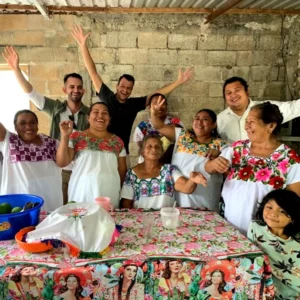
My approach to travel has transformed profoundly over time. In the beginning, it was all about structure and certainty. I was driven by to-do lists, guidebooks, and a clear sense of what I was supposed to see, eat, and experience in each destination. Travel was about maximizing time, checking off the “must-sees,” and feeling a sense of accomplishment for having covered the terrain. But over the years, I began to realize that the most meaningful moments rarely happened according to plan. I slowly let go of the rigidity and embraced a more open, intuitive way of traveling. Now, I deliberately avoid over-scheduling. I leave space for spontaneity. I wander.
What I cherish most now is the feeling of being a stranger in a strange land—not knowing the rules, not speaking the language fluently, not having a map for what comes next. That discomfort is no longer something I try to avoid; it’s something I seek. It sharpens my senses. It humbles me. It reminds me how much there is to learn and unlearn.
I’ve found that the most transformative travel experiences happen in the in-between moments—in the detours, delays, and unplanned encounters. Whether it’s getting lost in a new city, navigating a challenge with humor and patience, or simply sitting still and absorbing the rhythm of a place, I’ve come to value depth over breadth, presence over productivity.
Travel, for me, has evolved from being a curated collection of highlights into a process of immersion, reflection, and growth. It’s no longer about conquering a place—it’s about being changed by it.