
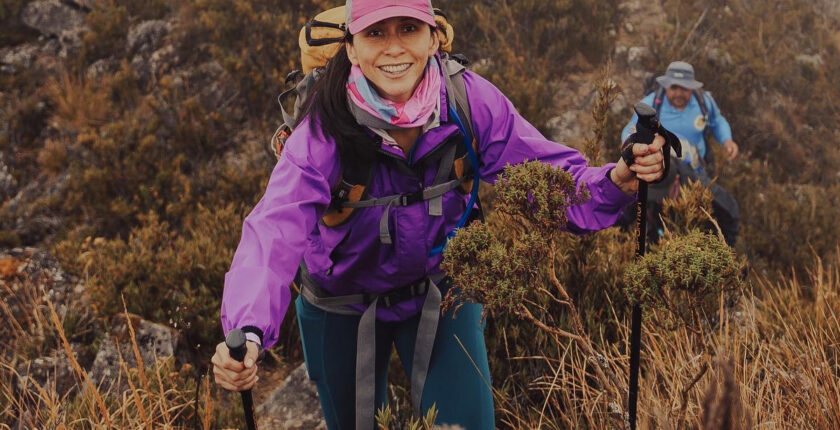
Coffee Table Chat on Her Journey in Sustainability One-on-One with Julieta Chan Julieta Chan, a passionate advocate for sustainability in Costa Rica’s tourism industry, has seamlessly integrated eco-friendly practices into her professional and personal life. Her work and lifestyle reflect a deep commitment to environmental stewardship and community support. Join us as we chat with Julieta about her inspiring journey and the values that drive her dedication to sustainability. 1. What does sustainability mean to you within the travel and hospitality industry, and how do you define it in both your professional and personal life? Sustainability has been the cornerstone of my career in the tourism industry. In Costa Rica, sustainability has been the guiding strategy for over 30 years. It’s a model I was raised in and has been part of my lifestyle since childhood. I have always been inspired by the idea that one can work in nature, educate others about environmental protection, and make a living doing something impactful and enjoyable. Professionally, sustainability has profoundly shaped my career. My first job in the hospitality industry, as a Housekeeping Manager, involved creating a recycling program for a 100-room urban hotel in downtown San Jose. To make this initiative viable, I needed to collect enough recyclable materials to attract a recycling truck and ensure profitability for both parties. This led to the “Block Project,” which unified block Volume 2| Number 2 Date: August 2024 “Sustainability has been the cornerstone of my career in the tourism industry. In Costa Rica, sustainability has been the guiding strategy for over 30 years.” One-on-One with Julieta Chan: A brief Coffee Table Chat on Her Journey in Sustainability 2 leaders, hotels, restaurants, and stores around us to participate in a recycling route. This project resulted in the first commercial recycling line in San Jose and earned me a scholarship in International Marketing. Later, I led the municipality’s recycling program for over three years. Sustainability is also a core value in my household. My family has had an organic compost project and recycling program for over ten years, and we are currently working on creating a garden sanctuary for bees and hummingbirds. Additionally, we carefully choose where to shop, supporting local farmers and restaurants with ethical practices. 2. How do you incorporate sustainability into your trips, and what practices do you follow to ensure your travels are environmentally friendly? In my personal travels, I follow several guidelines to ensure sustainability: 1. Travel Off-Season: I visit destinations during their low seasons to avoid crowds and support businesses when they need it most. 2. Choose Sustainable Accommodations: I select lodges and experiences that practice sustainability, verified by certifications and reviews. 3. Diverse Stays: I stay in different lodges to distribute my spending across various local families. 4. Eat Local: I dine at local restaurants to connect with the community and culture, ensuring my spending supports the local economy. 5. Offset Emissions: I compensate for my flight and land transportation emissions whenever possible. 6. Volunteer: I include volunteering experiences in my itinerary, supporting causes close to my heart and enhancing my connection to the places I visit. These principles also guide my work as a regenerative experience designer. 3. In your view, what is the most significant challenge that travel and hospitality businesses encounter when striving to become more sustainable, and how do you suggest they overcome it? The most significant challenge for travel and hospitality businesses in becoming more sustainable is balancing public and private interests through constructive dialogue with communities, developers, and local authorities. Having served as a board member of the Tourism Institute of Costa Rica for over six years and working in the private sector, I see a need for a collaborative effort to foster a sustainable industry. Creating a constant check-in with stakeholders is essential to maintain and protect what is important socially, culturally, and environmentally for communities. For developers, this approach fosters better relationships, more loyal employees, and an enhanced reputation. Local authorities can develop plans with a shared vision, allocate funds effectively, and hold themselves accountable. This effort requires leadership and a regenerative development perspective. Decision-making and KPI evaluations must adopt a longterm outlook. Developing regenerative leaders who can facilitate constructive dialogue, attract the right investors, and engage committed communities is crucial. These leaders must transcend personal interests to lead effectively and sustainably. Download pdf version
A one-on-one with Julieta Chan | Her Journey in the Travel Industry
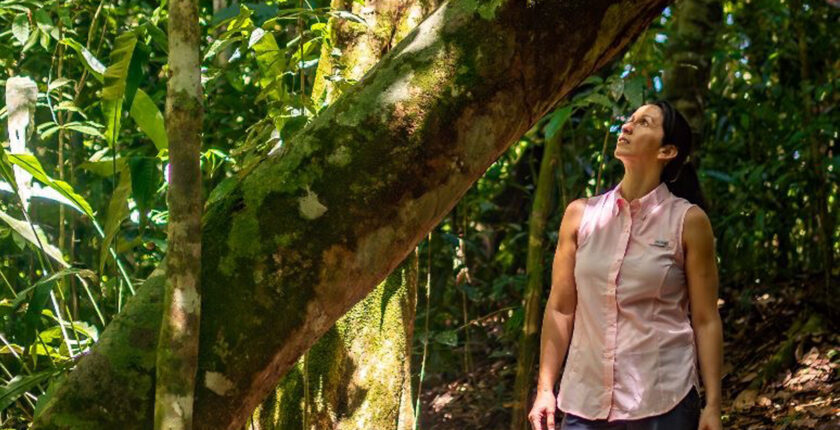
A Brief Coffee Table Chat on Her Journey in the Travel Industry A one-on-one with Julieta Chan What was your biggest early influence that sparked your desire to travel? My father’s curiosity about the world was my earliest inspiration. In the 1980s, he collected National Geographic magazines, amassing an impressive collection from 1980 to 1990. Each month, we would gather to explore the latest issue, marveling at its diversity and dreaming of visiting those far-off places. Reading National Geographic together became a cherished ritual, sparking our imaginations and fostering a love for adventure. We also enjoyed watching Jacques Cousteau’s documentaries and National Geographic’s “Blue Planet” series, which were truly mind-blowing. Additionally, my time as a Girl Scout was influential. I learned various skills for camping, hiking, and surviving in the woods, and attended events like Camporees in Central America, the Jamboree in Chile, and camping in the Wisconsin woods, all of which kept my spirit of exploration alive. What was the most important turning point in your professional travel career? Relocating to the Osa Peninsula was a pivotal moment in my professional career. Transitioning from San Jose, Costa Rica’s largest city, to the Osa Peninsula, one of the most biodiverse regions on the planet, marked a significant change. I worked with the Cayuga Collection at Lapa Rios, a worldrenowned and prestigious National Geographic Ecolodge selection, and later served as the Executive Director for Caminos de Osa. These experiences, in such remote and natural settings, were truly life-changing and profoundly influenced my professional path. What was the most important turning point in your professional travel career? Relocating to the Osa Peninsula was a pivotal moment in my professional career. Transitioning from San Jose, Costa Rica’s largest city, to the Osa Peninsula, one of the most biodiverse regions on the planet, marked a significant change. I worked with the Cayuga Collection at Lapa Rios, a worldrenowned and prestigious National Geographic Ecolodge selection, and later served as the Executive Director for Caminos de Osa. These experiences, in such remote and natural settings, were truly lifechanging and profoundly influenced my professional path. How has your approach to travel evolved over the years? My approach to travel has significantly evolved over the years. As a child, I was drawn to amusement parks, but now I avoid tourist traps, overcrowded places, and seek genuine connections and experiences. I focus on giving back to the places I visit and carefully select sustainable destinations and suppliers in each region. My trips now have a purpose, and I value the educational component of deep diving into a destination. My travel philosophy has shifted from sustainability to regeneration, emphasizing giving back, improving the communities I visit, getting involved, and fostering meaningful connections with others.
A one-on-one with Jesús Parrilla: His Journey in Travel and Exploration
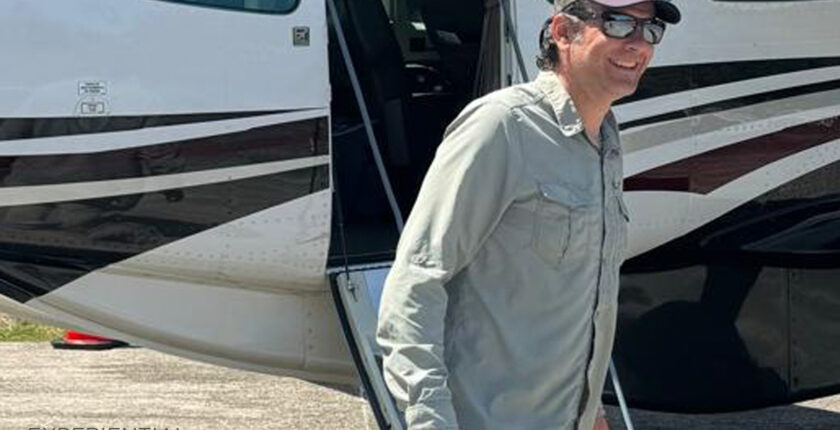
A Brief Coffee Table Chat on His Journey in Travel and Exploration A one-on-one with CEO Jesús Parrilla What was your biggest early influence that sparked your desire to travel? Growing up in a rural area, my childhood was a canvas painted with the vivid hues of nature. The oak forests, rivers, and hills surrounding my home were my playground, nurturing a deep-seated connection to the natural world. But it wasn’t just the local landscapes and simple way of living that captivated me. From an early age, I was entranced by the grand tales of exploration and scientific discovery from the 1800s and 1900s. The epic accounts of Alexander von Humboldt traversing the Americas, Charles Darwin’s transformative journey on the Beagle, Roald Amundsen’s icy conquest of the South Pole, Ernest Shackleton’s harrowing Antarctic expeditions, and Thor Heyerdahl’s daring Kon-Tiki voyage fired my imagination and planted the seeds of wanderlust in my soul. These legendary voyages were more than just stories to me; they were a call to adventure. They whispered of far-off lands and cultures waiting to be discovered, of challenges to be met with courage and curiosity. In my late teens, driven by this insatiable curiosity and a yearning for discovery, I embarked on my own journey. This adventure led me to the Americas, a journey that, even after three decades, I can only describe as a homesickness detour for places I had never known but felt an inexplicable emotional connection to. After completing my university studies, I found myself ensnared in the corporate world of America. It was a life that, although successful by many standards, felt 2 increasingly detached from the simplicity and authenticity that had once defined me. My childhood fascination with nature and exploration seemed a distant memory, overshadowed by the relentless grind of the corporate world. What was the most important turning point in your professional travel career? The turning point in my professional travel career came serendipitously. I was fortunate to land a position with an adventure travel company, a role that reignited the dormant passion within me. This opportunity was more than just a job; it was a reconnection with my roots, a rekindling of the flame that had been lit by the explorers of old. Through this work, I found myself traveling to places that felt like a homecoming to parts of my soul that I had forgotten. It was as if I was finally answering the call that had been with me since those early days in the countryside, fulfilling a destiny that had always been mine. In this role, I rediscovered the joy and simplicity of exploring new terrains, the thrill of stepping into the unknown, and the profound satisfaction of connecting with different cultures and environments. It was a return to the essence of who I was, a journey back to the passion that had been my guide since childhood. How has your approach to travel and exploration evolved over the years? Over the years, my approach to travel and exploration has evolved into what I can best describe as a form of modern nomadism. Nomadism is about time and space. It’s about an intimate understanding of the environment, maintaining ecological balance, and managing natural resources wisely. It demands a studious approach, mobility, agility, and flexibility. It’s about carrying only the essentials and what truly matters. My travel philosophy has grown to perceive the world as a constantly evolving entity, requiring a profound sense of respect for relationships, family, heritage, traditions, history, culture, environment, consumption, possessions, accommodation, and life itself. In my earlier years, travel was primarily about the thrill of discovery and adventure. I sought out new landscapes and cultures with a sense of curiosity and excitement. However, as I gained more experience, my travels became more intentional and reflective. I began to see nomadic living not just as a means to explore new places, but as a way to deeply connect with the natural and cultural environment. This approach emphasizes the ability to travel, adapt, change, and embrace new living conditions and externalities with ease, ingenuity, vibrancy, and humbleness. Adopting a nomadic approach to travel is now about paying respect to nature and providing a rational response to environmental conditions. This respect and rationality are what have enabled ancestral communities to safeguard their cultures and survive for centuries. My journeys are no longer just about moving from one place to another but embodying a way of life that honors the world in all its complexity and beauty. Understanding that the world is everchanging has become central to my travels. Embracing each new experience with a commendable attitude towards every aspect of existence not only enriches my own life but also contributes to the preservation and appreciation of the diverse cultures and environments that make our world so extraordinary. Download pdf version