
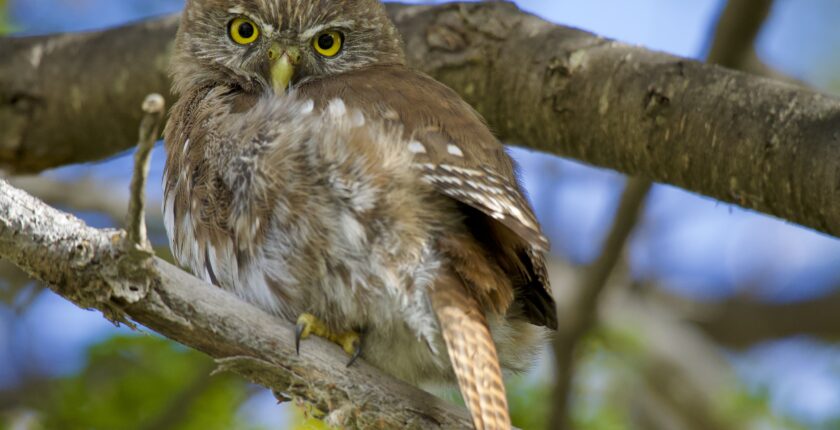
By Willie Parra Encounters with ourselves Personally, and over more than 30 years now, I have witnessed magnificent sights in very different latitudes… encounters such as humpback whales approaching your boat without the slightest fear, polar bears with their cubs in the distance, yet feeling much closer thanks to your long-range lens, something magical like a river otter playing near home in Patagonia, or a Pudú (the smallest deer in the world) and its fawns crossing your path, trusting in your prudence and sensing your genuine kindness. Those moments that amaze you and envelop your senses, making every drop of sweat, every chill, or every long wait, worth a thousand times over. Having the good fortune to witness different species in their natural habitat, free and wild, triggers countless reactions in our brains. Each reaction can be quite different depending on the person, but it is undoubtedly a powerful experience, especially if your heart and mind have opened up and achieved that state of “latent wonder,” that openness to the new, the unknown, the wonderfully wild and natural. Observing an animal in the wild triggers a profound biological and psychological response, a mixture of atavism (our evolutionary past) and immediate emotional connection. But if we could break down this rollercoaster of sensations, we could explain it like this. Science dissects and describes it perfectly. Here’s a breakdown of what happens at the brain and sensory levels: 1. The Amygdala “Flash” When you see a wild animal, the amygdala (the emotional processing center) is instantly activated. Before you rationally identify what animal it is, your brain assesses whether it’s a threat or an opportunity. This generates an adrenaline rush that sharpens your senses: your pupils dilate and your attention becomes selective (the rest of the world disappears). 2. The Reward Circuit If the encounter is not threatening (like seeing a deer or a whale), the brain releases dopamine. We feel a hypnotic fascination. There’s a hypothesis called Biophilia, suggested by E.O. Wilson, which indicates that humans have an innate affinity for living beings because, evolutionarily, being in environments with healthy wildlife meant survival and resources. 3. “Gentle Fascination” and Mental Restoration Unlike screens, which drain our attention, observing a wild animal produces what psychologists call gentle fascination. The prefrontal cortex (responsible for logic and planning) rests, reducing cortisol levels (the stress hormone). This explains why we feel a deep peace or a “recharge” of energy after these encounters. 4. The Dissolution of the “Self” Sensorially, a phenomenon of awe occurs. Awe diminishes the ego, your personal problems fade into the background before the grandeur of nature. Insulin and the parasympathetic nervous system are activated, which reduces heart rate after the initial surprise. 5. Mirror Neurons If you observe the animal performing an action (hunting, caring for its young, running), your mirror neurons are activated, allowing you to “feel” a form of interspecies empathy. This creates a sense of belonging to the ecosystem, rather than simply being an external observer. Well… after this landslide of empirical objectivity, it often all boils down to simply observing that unique instant, taking the time to perhaps put the camera aside and treasure those moments with naked eyes of absolute happiness; I’ve seen tears of emotion and smiles of contentment in those vivid moments. What more is needed? It’s incredibly curious that each time we have these encounters, the wilder and more untamed they are, the more human we become as we deeply appreciate them. About the author: Willie Parra Willie Parra is a naturalist, mountaineer, and Senior PTGA Polar Guide with over two decades of expedition experience. A former Explorations Manager at Explora Hotels, he has guided leadership ventures for Wharton and Queens University across Antarctica, Patagonia, and the Atacama Desert. Today, as Corporate Outdoor Experience Director at Experiential Hospitality, Willie designs nature-based projects worldwide, dividing his time between Santiago and his beloved Chiloé Island.

A Journey of Reflection | The art of guiding Reflections on Presence, Trust, and Shared Discovery
By Willie Parra The art of guiding Reflections on Presence, Trust, and Shared Discovery The concept of “Guiding” can be defined as something as simple and basic as: showing the way, leading, or directing someone or something, often through instruction, influence, or by being a source of direction, like a compass or a mentor, implying continuous direction or a gentle leading hand. Or something as complex, profound, and meaningful as when it is applied to outdoor activities and experiences involved in. The act of Guiding carries countless meanings, responsibilities, and tasks, both tangible and intangible. It is a unique opportunity, through shared experience and the guide’s timely support, to help others discover, to see with new eyes, to take the time to open up their own innermost emotions; it is allowing oneself to be captivated by this new world, often so foreign to our daily lives. The concept of being “the Guide” might sometimes sound a bit pretentious or condescending to some. But as I personally define and feel it, it is a sincere and respectful companionship. It’s about walking together along a path where I, as your guide, am intimately familiar in every way, adapting to your level and expectations of what lies ahead. It’s about preparing each day with the intention of surprising you, of creating those moments that will stay with you forever. A guide must be generous, someone who adapts to the level of their companion. They must allow for those crucial moments where the silence of a particular moment speaks volumes internally. A guide has the ability to read between the lines, to know when to contribute a relevant story and when to provide that personal space for introspection; to offer those moments of silence, so scarce these days. A guide must understand and act in accordance with the nature of their traveler; different latitudes and cultures offer us clues on how to be much more empathetic, respectfull and close, depending on their nature and origins. This can be learned beforehand to ensure an even better experience on this adventure. There are cultures where precision and punctuality are paramount… there are others where enjoying life without constraints or main guidelines are a priority. And there are those where introspection and respect for the present moment are vital. There is much to consider and prepare for to be a respectable guide. It’s not just technical skill that leads to perfection, which is non-negotiable and must be constantly applied; it’s also the intangible, precisely what isn’t necessarily written in a manual, but which requires our emotional and cultural intelligence to communicate without words. The best in ourselves is reflected, the Guide-Traveler experience grows, and transforms us personally each time we leave the concrete jungle behind and immerse ourselves, body and soul, once again in this marvelous biodiversity for a few days or weeks, helping us to return to our most ancient roots, rediscovering ourselves, and achieving that ancestral connection. A guide is a friend. They are someone who has expressly chosen to follow this path professionally and consciously because they deeply believe that being closer to the natural world, to the rivers and mountains, to the jungles and beaches, to indigenous and ancestral cultures, gives us the unique opportunity to embrace others, inviting them to see this world with different eyes, to show us the way and return to respecting our origins and understanding with certainty why we must protect it. About the author: Willie Parra Willie Parra is a naturalist, mountaineer, and Senior PTGA Polar Guide with over two decades of expedition experience. A former Explorations Manager at Explora Hotels, he has guided leadership ventures for Wharton and Queens University across Antarctica, Patagonia, and the Atacama Desert. Today, as Corporate Outdoor Experience Director at Experiential Hospitality, Willie designs nature-based projects worldwide, dividing his time between Santiago and his beloved Chiloé Island.
A Journey of Reflection | Lessons From the Heights
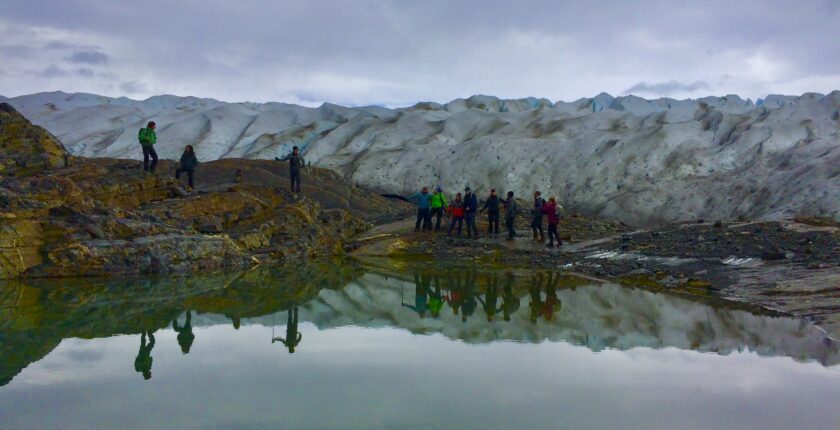
By Willie Parra Lessons from the heights Many years ago, when I began exploring high mountain routes, there were thousands of unknowns and new windows through which to peer into this new world for me, one I discovered almost by chance. Until that moment, 25 years ago, my outdoor world had been primarily underwater, guiding as a PADI Divemaster. This new world of heights pleasantly surprised and amazed me; a singular feeling of immeasurable smallness invaded me, but it wasn’t a sensation that made me feel insignificant; on the contrary, it was like understanding the naked beauty of those places, where everything is so beautiful, yet relentless for those unprepared… Despite the majestic and always breathtaking landscapes I encountered at different latitudes, classic “mountain climbing” gradually transformed into a new way of seeing life from a very special place, independent of its physical cost; it kept you away from the proximity of every day’s “urban” sensations, I would say; new ways of observing and feeling opened up for me. Appreciating the simple and valuing the moment and the company, the journey was much more important than the longed-for summit. Meeting and being part of a generous and professional group of close, approachable, and extremely modest people and friends—contrary to what they might have been after so many successful global summits—gradually led me to that goal. The seed of this new way of true Leading grew under the wing of so much inspiration that surrounded me constantly. But what happens when things don’t go as planned? when we have differences of opinion? when we don’t agree and that disagreement makes us lose our way or, worse still, lose an expedition? Here, many years ago, as I mentioned before, I learned the concept and theory of Experiential Learning, developed by David Kolb, an American educational theorist, who is one of the leading figures in the development of the experiential learning model. This model is defined as the process of learning through experience and emphasizes the importance of reflecting on and applying real-world experiences to deepen knowledge. This approach contrasts with traditional learning methods, which often focus more on theoretical knowledge. Experiential learning helps people develop cognitive and emotional intelligence by engaging them in practical activities where they can apply, experiment, and reflect. I don’t want to go into the broad scope of this concept; I only want to mention its importance in today’s world, where it is increasingly necessary, and it has been proven, that practical learning and experience have made a significant leap forward from classical theory, becoming the primary model for the development of both human groups and individuals. This playfully resembles our childhood, where putting our hands in the mud or jumping into a pond were primary, almost primitive experiences, but filled with perpetual and physically indelible learning. “Experiential learning” is the process of learning through experience and emphasizes the importance of reflecting on and applying real-world experiences to deepen knowledge. This approach contrasts with traditional learning methods, which tend to focus more on theoretical knowledge. Experiential learning helps people develop cognitive and emotional intelligence by engaging them in practical activities where they can apply, experiment, and reflect. In short, the concept and theory of Experiential Learning are four Phases: 1. Concrete Experience This is the stage where the learner encounters a new experience or reinterprets an existing one. It’s about doing something new, participating, or being directly involved in an experience. This might be a hands-on activity, a field trip, a real-world project, or any immersive learning event. 2. Reflective Observation After the experience, the learner reflects on it. This phase is about stepping back and thinking about the experience in detail. Learners consider what went well, what didn’t, how they felt, and any questions or insights that arise. This reflection helps them make sense of the experience. 3. Abstract Conceptualization At this point, the learner begins to make sense of the experience by developing theories, models, or ideas from their reflections. They link the experience to existing knowledge or frameworks. Essentially, they try to understand why things happened the way they did and may formulate new concepts or generalizations. 4. Active Experimentation In the final stage, learners apply the new knowledge they’ve gained by experimenting with it in different situations. They may test out their ideas, hypotheses, or theories in real-life situations to see how they hold up. This cycle encourages the learner to continue the process by acting on their insights, which leads to new experiences, and the cycle starts again. For this concept to be beneficial and achieve the expected results, we cannot ignore or skip any of the four phases. They are essential to achieve a complete development of the theory put into practice. It’s important to note that this process is cyclical, meaning that learners can start at any point in the cycle, but ideally, they will go through all four stages to gain deep learning. The cycle is dynamic and continuous. After working with countless international universities, companies, and all kinds of groups, the results, understanding, and application of the Experiential Learning concept in their lives, both personal and professional, were remarkably positive. Understanding that it’s impossible to grow without learning from our mistakes, discussing them in a timely manner, analyzing them, and harvesting from both good and bad experiences, this new and improved vision as a team and as individuals will definitely help us move forward successfully. About the author: Willie Parra Willie Parra is a naturalist, mountaineer, and Senior PTGA Polar Guide with over two decades of expedition experience. A former Explorations Manager at Explora Hotels, he has guided leadership ventures for Wharton and Queens University across Antarctica, Patagonia, and the Atacama Desert. Today, as Corporate Outdoor Experience Director at Experiential Hospitality, Willie designs nature-based projects worldwide, dividing his time between Santiago and his beloved Chiloé Island.
Reawakening Our Bond with Nature | Our Purpose for 2025
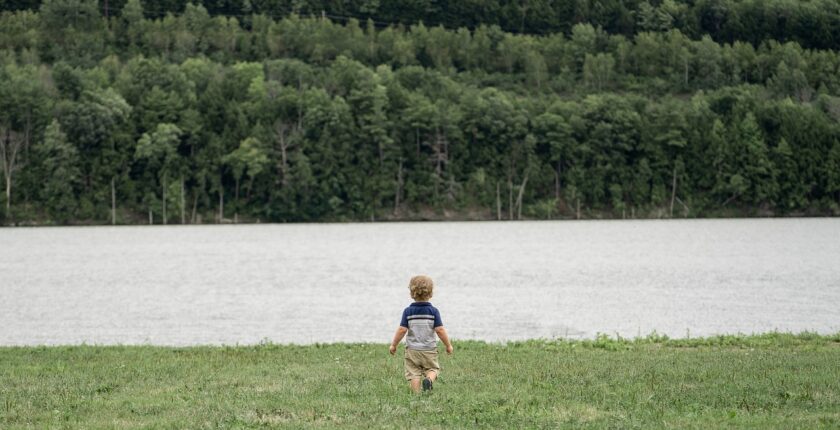
By Julieta Chan and Jesús Parrilla Reawakening Our Bond with Nature: Our Purpose for 2025 The Disconnect from Nature There was a time when humanity lived humbly within the natural world, not above it. Our lives were intertwined with the rhythms of the seasons, the cycles of the sun and moon, and the quiet whispers of the wilderness. Today, that connection feels like a distant memory. Our surroundings are dominated by towering skyscrapers, bustling streets, and glass facades that reflect our faces but not the world beyond. More than half of the global population now resides in urban areas—a number expected to rise to nearly 70% by 2050. With each passing day, we drift further from nature, choosing a path that holds perilous consequences. We often reflect on our childhoods—a time when vacations meant escaping to our grandparents’ rural homes. We’d ride bicycles all day, explore farms on horseback, swim in rivers, and play soccer under the stars. Those days ended not when we were tired but when neighbors finally complained about the noise. Times have changed. Today, the growing need to live near cities, schools, and services surrounds us with concrete, machinery, and isolation from nature. We’ve traded fields for asphalt and rivers for reflections in glass. The Cost of Disconnection This disconnection comes at a cost far greater than we often realize. Living apart from nature blinds us to its significance—its cycles, its intricacies, and, most importantly, our role within it. Nature becomes something we view on a screen—a scene in a movie or a segment on the weather channel—something “out there,” seemingly separate from us. This illusion of safety within urban centers masks the truth: the triple planetary crisis of climate change, biodiversity loss, and pollution is not a distant threat. It’s here. It’s now. The cruel irony is that as we distance ourselves from nature, we lose the ability to see what’s at stake. We become less inclined to protect what we no longer know. But how can we protect what we don’t understand? How do we value something invisible, like a passing shadow? And how can we nurture empathy for ourselves and our collective need for a sustainable home? Our sprawling urban jungles don’t just harm the environment—they numb our senses. They make us forget that we are part of something much larger, something wondrous and sacred. Nature becomes an object to consume, not a community to cherish. A Vision of Hope But there is hope. Imagine a world where nature is no longer an afterthought but a partner. Cities could have “green lungs”—parks that echo with birdsong and rooftops alive with wildflowers. Imagine children growing up with access to outdoor spaces that remind them of the beauty and fragility of life. These places could reconnect us to the earth, teaching us to see ourselves not as rulers but as stewards. To those living in cities, we urge you: find that patch of green. Look up at the slice of sky between buildings. Walk through a forest, sit by a river, and feel the ground beneath your feet. These moments matter. They remind us that we belong to something far more significant than ourselves, that this earth—our only home—deserves not just our protection but our love. The Path Forward The path forward is clear. We must reimagine urbanization and nature as allies, not adversaries. Let us build not to conquer but to coexist. Let us create spaces where humanity and nature thrive together—a legacy of harmony for generations to come. Integrate Nature: Incorporate green spaces and natural elements into urban planning Coexistence: Foster a partnership between urban development and environmental preservation Sustainability: Create a legacy of harmony between humanity and nature for future generations About the authors: Julieta Chan Serving as the ESG and Project Support Manager at Experiential Hospitality, Julieta Chan is a dynamic professional with 15 years of expertise in experiential hospitality, luxury travel administration, and operations support. Julieta is a staunch advocate for empathic communication and regenerative travel, dedicated to fostering meaningful and sustainable experiences in the hospitality industry. Jesús Parrilla As the CEO and Principal of Experiential Hospitality, Jesús Parrilla Jesús embodies the essence of a global citizen, driven by an enduring passion for the outdoors. His career has been profoundly shaped by this commitment, leading him to champion companies that prioritize responsible, sustainable, and ethical business practices. With a diverse skill set, Jesús brings 25 years of experience spanning management, operations, sales, marketing, communications, and business development.
2024 Year in Review
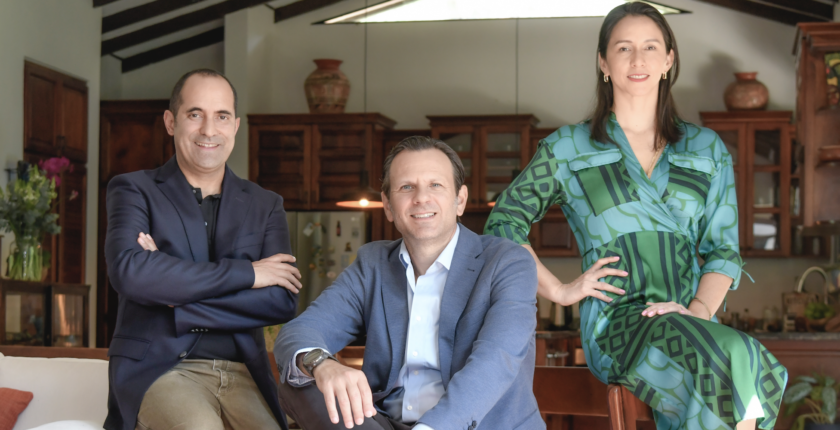
EXPERIENTIAL HOSPITALITY 2024 YEAR IN REVIEW As we reflect on an extraordinary year and embrace the festive season, we want to express our heartfelt gratitude to our partners, team, and friends. 2024 has been a defining year for Experiential Hospitality, filled with bold progress, creative breakthroughs, and inspiring connections that have advanced our vision. A Year of Exploration This year, our journey took us to some of the most awe-inspiring destinations around the world: from the rugged deserts of Utah and the rich cultural landscapes of New Mexico, to the majestic Andes of Peru, the lush coasts of Costa Rica, the timeless beauty of Italy, and the spiritual heights of Nepal and India. These travels represent more than mere locations— they are reflections of our commitment to honoring nature, heritage, and the communities we encounter. Strengthening Our Foundation 2024 has marked the beginning of our legacy. We’ve built a strong corporate foundation and assembled an incredible team, whose passion and talent drive our mission forward. Together, we’ve laid the groundwork for what’s to come. Looking to 2025 In the year ahead, we will bring our vision to life with the launch of two distinct hospitality brands, each rooted in our founding philosophy: Honor the past. Protect the present. Inspire the future. Guided by the belief that travel should heal—the traveler, the land, and the communities it touches—our work remains dedicated to crafting journeys that go beyond the ordinary. With Immense Gratitude To our team, partners, and supporters, thank you for being an essential part of this incredible journey. Your trust, creativity, and collaboration are the foundation of everything we do. Here’s to an inspiring 2025, filled with meaningful travel, transformative experiences, and shared success. Warm regards, The Experiential Hospitality Team
Sustainable Tourism | Transforming Lives and the Industry of Happiness
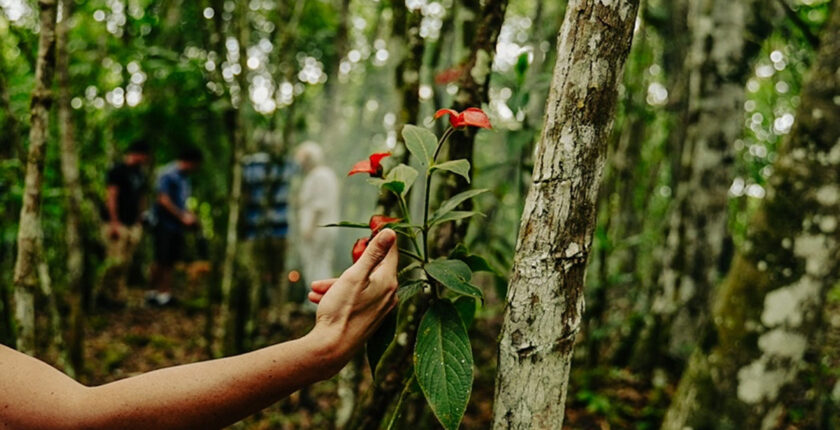
By Juan Breiding and Julieta Chan In the vast landscape of travel and tourism, we are more than just service providers; we are curators of joy, facilitators of connection, and stewards of discovery, and there, we inspire people to transform their lives and connect with their purpose in this planet. Ours is an industry of happiness and transformation —one that shapes lives fosters human connection, celebrates the beauty of our world, and boosts the change to regenerate and conserve what we need as humanity. But to truly embody this role, we must acknowledge our profound responsibility: to honor the destinations we serve, empower the people we work with, and provide travelers with the tools to reconnect with themselves and their loved ones. Sustainable tourism is more than protecting natural landscapes or promoting local culture. At its heart lies a more profound mission: to nurture well-being—mental, emotional, and social—for everyone involved in the journey. This mission begins with us, as leaders in hospitality, and with our teams, who bring this vision to life every day. Knowing Our Place in a Destination Every destination is a living, breathing entity with its unique essence—a blend of landscapes, traditions, and stories shaped by history. Our role is not to impose but to listen, to learn, and to integrate with care. Sustainable tourism requires us to honor these places, ensuring that our presence enhances rather than diminishes their value. Authentic connection is key. By fostering meaningful relationships between travelers and local people, we can create moments of discovery that transcend a single trip. Travelers leave not just with memories of beauty but with a deeper understanding of why these places matter. When we approach destinations with respect and humility, we do more than provide experiences; we facilitate transformations—both for the traveler and the community. A People’s Business: Connection, Transformation, and Well-Being At its core, tourism is a people-driven industry. It thrives on human connection—the smiles exchanged between a host and guest, the moments of self-reflection inspired by nature, and the joy of shared adventures. But this connection is only possible when we prioritize the well-being of the people at the heart of our work: our teams. In Experiential Hospitality, we recognize this as an urgent moral imperative. The emotional presence and authenticity required to create transformative experiences demand that our teams feel supported, empowered, and valued. This starts by providing resources for mental health, financial literacy, and social well-being. These are not optional extras; they are foundational elements of a thriving tourism business. When our teams feel whole, they are better equipped to create spaces where guests can feel safe, cared for, and inspired. This ripple effect transforms not only individual experiences but the essence of sustainable tourism itself. By focusing on people, we create an industry that embodies both purpose and care. Redefining Sustainable Tourism: Bold Goals for a Better Future Future sustainable tourism must evolve. It’s no longer enough to reduce harm or operate within the narrow parameters of environmental or cultural stewardship. We must dare to reimagine its potential—to go beyond sustainability and embrace regeneration. This means notonly preserving what exists but actively improving the social, cultural, andenvironmental landscapes we touch. Imagine a world where every journey empowers local communities, restores natural ecosystems, and nurtures mental and emotional well-being for all. To achieve this, we must embrace bold, forward-thinking goals. These include embedding mental health as a core value, rethinking our operational frameworks to prioritize inclusivity and equity, and leveraging tourism as a transformative force for global good. Happiness as Our Shared Responsibility Happiness is not a privilege; it is a universal need. But true happiness is more than a fleeting moment—it is the product of connection, care, and purpose. As tourism leaders, we are responsible for making happiness tangible for everyone: the communities that host us, the teams that serve with us, and the travelers who entrust us with their journeys. This shared responsibility requires intentional action. By creating environments where everyone can thrive—through fair practices, empowerment, and authentic connections—we uphold the essence of tourism as an industry of transformation. Happiness becomes a shared journey, not an individual destination. Call to Action: Shaping the Future Together The future of tourism is in our hands. It’s time to move beyond the status quo and embrace a more transformative, inclusive, and regenerative approach. As leaders, travelers, and advocates, we each have a role to play in shaping this future. Let us rise to this challenge together. Let us rethink what sustainable tourism can be, redefine its impact, and create a world where every journey contributes to a better tomorrow. Together, we can transform the industry of happiness into an engine forglobal change—one that uplifts communities, nurtures well-being, and inspires theworld. Will you join us on this journey? Let’s build a tourism industry that celebrates not just destinations but people, not just experiences but transformation. Because at its heart, tourism is about connection—and through connection, we have the power to change lives.
The Essence of Service
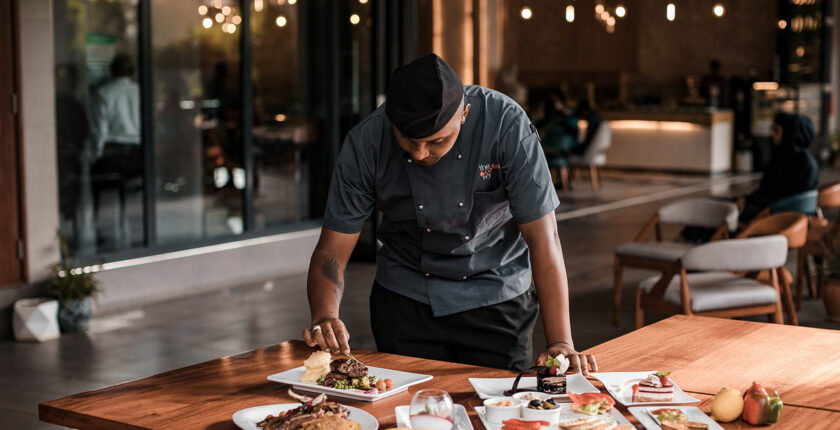
POURING WISDOM: A COFFEE TABLE CHAT WITH JESÚS PARRILLA ON THE ESSENCE OF SERVICE In the realm of hospitality, service is often spoken of as a simple transaction—yet, for Jesús Parrilla, it is nothing less than an art form. Drawing from a deep well of experience and wisdom, Jesús reveals that true service goes far beyond meeting expectations; it’s about crafting moments that resonate on a personal level. In this intimate chat, he invites us to explore the nuances of service culture, where the unseen dynamics between colleagues and the subtle, unspoken needs of guests create a symphony of memorable experiences. Prepare to rethink what it means to serve and be served, as Jesús shares his philosophy on the essence of service. What’s the most important consideration in providing great service? Service is the art of teamwork, active listening, and observing. Great service starts with what the guests might not see – treating everyone, from your peers to your subordinates and suppliers, with the utmost respect, genuine sympathy, and inherent decency. Imagine a ripple effect; you cannot deliver exceptional service to your guests if your internal interactions are not synchronized and lack harmony. Service is not a fleeting moment; it is the cumulative impact of countless small, thoughtful efforts. Each gesture, each action, adds up to create an unforgettable experience. What defines a great service culture? A great service culture understands that great service starts with seeing your work colleagues as your top clients first. A great service culture is a symphony where every participant, whether an internal team member or an external partner, understands their unique role in the customer journey. It’s about seeing the whole picture and how all the pieces harmonize to create a seamless experience. Everyone must be invested in the shared vision, bringing passion, collaboration, and dedication to their part, no matter how big or small. It’s the collective commitment to fluid communication and excellence that fuels a truly remarkable service culture. In your opinion, what makes an outstanding service experience? An outstanding service experience is about more than just delivering what the guest has requested; it’s about intuitively understanding and responding to their unspoken needs. It’s reading between the lines, grasping the subtle cues, and anticipating desires they might not even be aware of. It’s knowing who craves attentive service and who values their privacy, recognizing the perfect moment to engage and the

Harnessing Ancestral Wisdom for Sustainable Tourism and Human Sustainability
By Julieta Chan and Jesús Parrilla Much discussion today around sustainability centers on the environmental dimension, but little attention is given to human sustainability and the crucial role humans play in driving sustainable growth and innovation across environmental and governance sectors. Sustainability is not just about preserving our natural resources; it’s about cultivating a deep, harmonious relationship with our environment, much like the ancestral cultures that have thrived in balance with nature for centuries. The travel industry stands to learn invaluable lessons from these communities, whose wisdom and practices can guide us towards a more sustainable future. By fostering sustainable practices, we can mitigate climate change, preserve biodiversity, and promote equity and justice across all communities. Over the past two decades, our separate journeys to remote areas of the Americas—including the Brazilian Amazon, Bolivian high plains, Peruvian Andes, Colombian Sierra Nevada, the American Southwest, and Costa Rica’s Maleku of Cote—have allowed us to witness firsthand the profound connection that indigenous peoples maintain with their surroundings. These communities, most of them still largely untouched by modern society’s frenetic pace, possess a profound understanding of planetary health, viewing the Mother Earth as a living entity where every element is interconnected. What has struck us most about these diverse cultures is their incredible bioliteracy and shared ethos: a mysticism and a profound relationship of love, respect, and harmony with nature and all living things. Whether discussing land preservation or the impacts of climate change, the indigenous peoplesarticulated with remarkable clarity how they perceive more pronounced natural phenomena beyond the usual cycles of La Niña or El Niño. Their observations underscore a critical and irrefutable truth: while our planet will continue to evolve, humanity must act quickly and learn to adapt and live in balance with the Earth’s natural rhythms. This philosophy is evident in their sustainable practices, which have been honed over generations. Traditional building techniques, for example, use local materials like adobe, bamboo, and thatch, which are not only environmentally friendly but also ideally suited to their climates. These methods minimize environmental impact and enhance resilience, offering urban populations valuable lessons in sustainable living. Moreover, the indigenous approach to water management—through rainwater harvesting, terraced fields, and sophisticated irrigation systems—demonstrates an intricate understanding of local ecosystems. These practices ensure efficient resource use, reduce soil erosion, and boost agricultural productivity. They practiced sustainable living, taking only what they needed and ensuring that resources were available for future generations. Such wisdom is crucial for modern societies facing water scarcity, food shortages, and climate variability. Fire management, as a regenerative initiative, is another area where indigenous knowledge excels. They use controlled burns to manage plant growth, encourage the growth of certain plants, and prevent larger wildfires, which in turn makes the land more productive for hunting and gathering. Their knowledge extends to medicine, where an intimate relationship with nature has led to the development of effective herbal remedies. This traditional medicinal knowledge not only provides 3 healthcare solutions in remote areas but also enriches the global pool of effective alternative and complementary medicine. The tourism industry has a unique opportunity. It can play a key role in connecting this ancestral community and its unique culture and knowledge to people all over the world, who can learn, get inspired by it, and benefit the health of our planet. Transformative experiences with and for the communities benefit the culture and knowledge of the travelers, allow a better understanding of our world, and create bonds and long-lasting connections. By creating memorable experiences, bioliteracy can be taught to travelers, transforming everyone’s relationship with nature. In doing so, travelers become ambassadors for sustainability, advocating for the protection of these invaluable traditions. This cultural exchange promotes a future where ancient wisdom and modern innovation coexist, ensuring that the rich heritage of indigenous knowledge continues to benefit future generations. In crafting travel experiences and developing hospitality concepts that draw inspiration from ancestral spirituality and environmental stewardship, we can help bridge the gap between modern society and the timeless wisdom of indigenous cultures. Private citizens, travel companies, and industries must collectively recognize the rights of nature and commit to working towards a balanced, inclusive, and resilient world. We have a fiduciary duty to our planet and all of its inhabitants, and by embracing the lessons of our native peoples, we can move closer to achieving true human sustainability or even, more than that, restore this natural relationship with nature, people, and ourselves. In closing, it is important to acknowledge that without humankind’s participation, it is impossible to restore this balance. We believe it is important to remember what Jacques Cousteau said: “People 4 protect what they love.” Tourism allows people to connect with nature and different cultures and fall in love with them. This is the sustainable tourism industry: to make people love this planet. About the authors: Julieta Chan Serving as the ESG and Project Support Manager at Experiential Hospitality, Julieta Chan is a dynamic professional with 15 years of expertise in experiential hospitality, luxury travel administration, and operations support. Julieta is a staunch advocate for empathic communication and regenerative travel, dedicated to fostering meaningful and sustainable experiences in the hospitality industry. Jesús Parrilla As the CEO and Principal of Experiential Hospitality, Jesús Parrilla Jesús embodies the essence of a global citizen, driven by an enduring passion for the outdoors. His career has been profoundly shaped by this commitment, leading him to champion companies that prioritize responsible, sustainable, and ethical business practices. With a diverse skill set, Jesús brings 25 years of experience spanning management, operations, sales, marketing, communications, and business development.